
“The faith is the contents of the complete gospel according to God’s New Testament economy.”
–Recovery Version, 1 Timothy 1:1, note 1
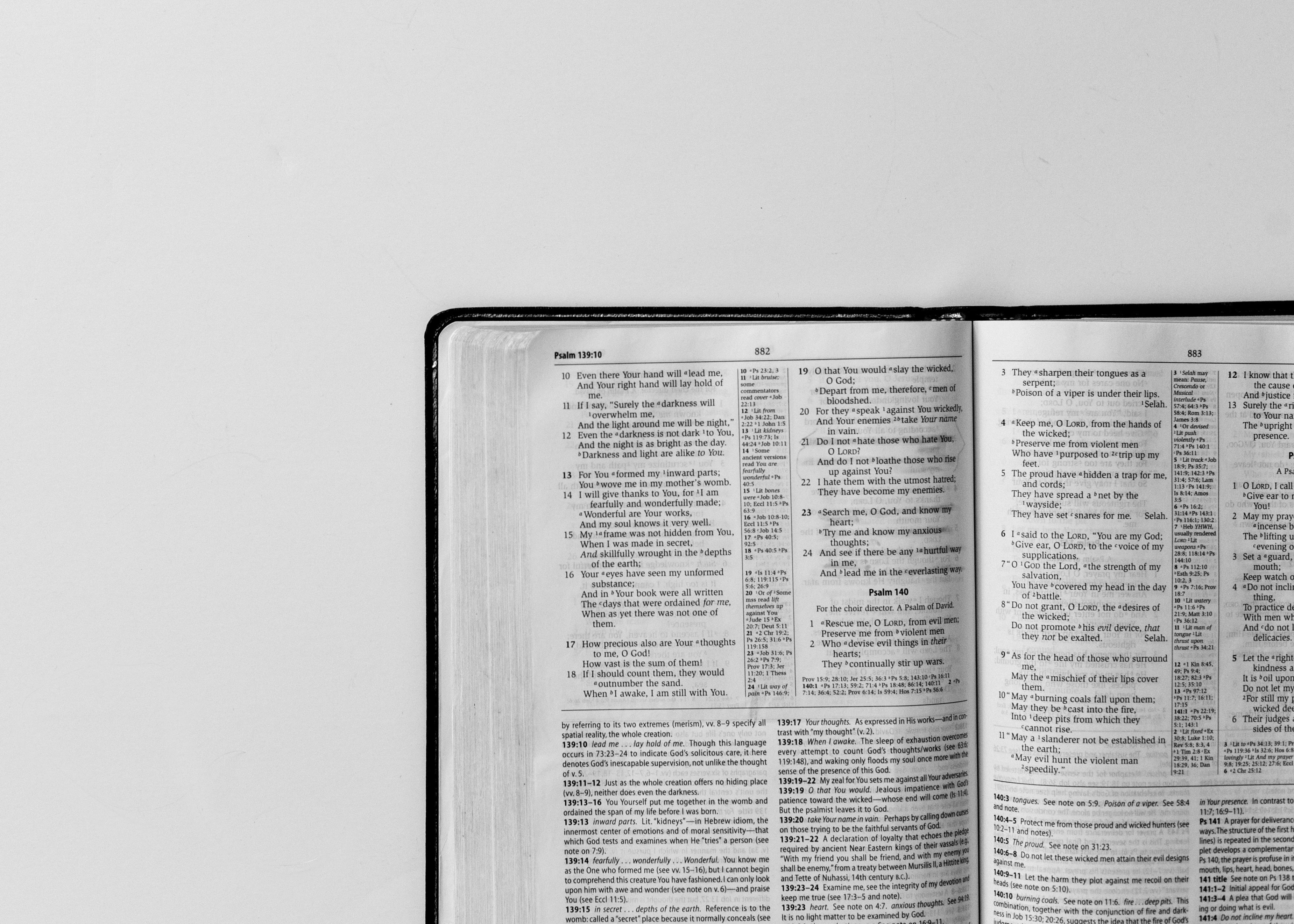
The Bible
“The base of our belief is the Holy Bible, which we view as the word of God and inspired by God in its every word (2 Tim. 3:16). We hold that every word in the Scriptures comes to us through the action of the Holy Spirit to bear the word of God through human writers (2 Pet. 1:21). We firmly believe that the Holy Scriptures, in their two Testaments, the Old and New, are complete and sufficient for leading people to salvation and for guiding them into glory according to the good pleasure of God’s will. As believers, we need no further teaching or revelation beyond what is in the Bible, because all that is in the Bible is profitable and fit for our equipping and perfecting for all that God wishes for us (2 Tim. 3:17). All that we believe, proclaim, and teach must be based on and limited to what is in the Bible.
God
What the Bible mainly reveals to us is our wonderful God, and the God of the Bible is uniquely one (Deut. 6:4; 1 Cor. 8:4). Besides Him there is no other God (Isa. 45:5); He alone is God (Psa. 86:10). This is the glad confession of both ancient Jew and present-day Christian. However, we as Christians also hold that God is triune—the Father, the Son, and the Spirit (Matt. 3:16-17; 28:19; 2 Cor. 13:14; Eph. 2:18; 3:14-17; Rev. 1:4-5)—and this is the capital truth of Christian faith. We firmly believe that in the Godhead the Father and the Son and the Spirit are eternally distinct but inseparable. The three of the Godhead coexist “simultaneously” from eternity to eternity (Isa. 9:6; Heb. 1:12; 7:3; 9:14) and are each fully God (1 Pet. 1:2a; Heb. 1:8; John 1:1; Acts 5:3-4). Yet there are not three Gods, but one God in three hypostases or persons. The Father, the Son, and the Spirit are not three temporal manifestations of the one God; rather, They exist eternally, distinct but not separate from one another. Further, while the Father is the eternal source in the Godhead, the Son and the Spirit are not to be understood as later assumed or adopted into the Godhead through the power of God but are equally God eternally. How God can be both one and three is indeed a mystery to humankind, but it is not beyond our ability to believe and to enjoy; in fact, we believe that the Trinity of God is not merely for our acknowledgment and belief but more so for our experience and enjoyment, as the apostle Paul encourages us: “The grace of the Lord Jesus Christ and the love of God and the fellowship of the Holy Spirit be with you all” (2 Cor. 13:14).
The Person and Work of Christ
As Christians, our faith is centered on Christ as the incarnate God, and our first confession concerning Jesus Christ is that He is the true God. Of course, in declaring this item of our faith, we imply that God is triune and are again pointed to the Triune God as the capital truth of Christian faith. Christ is complete God and perfect man, possessing both the divine and the human natures. We believe that the two natures in Christ are preserved distinct and that each nature maintains its distinct qualities without confusion or change and yet without separation. As God, He is God’s only begotten Son and the Word of God (John 1:1, 14, 18); He is distinctly the image of the invisible God (Col. 1:15) and the effulgence of His glory and impress of His substance (Heb. 1:3), existing in the form of God and being equal with God (Phil. 2:6; John 5:18). In Him dwells all the fullness of the Godhead (Col. 2:9; 1:19). Through incarnation Christ became a genuine human being. So genuine is Christ’s humanity that the Bible boldly declares that He “became flesh” (John 1:14). We believe that He is like us in all respects, yet He is without sin (Heb. 4:15). In His perfect wisdom God sent the Son in the likeness of the flesh of sin to condemn sin in the flesh (Rom. 8:3), and in dying on the cross for our sins, Christ has become our Redeemer, who has brought us back to God. Jubilantly we declare that Christ was raised from the dead, both spiritually and bodily, on the third day, and as the resurrected Christ He is our Savior, who saves us not only from our sins judicially but more importantly in His life organically (Rom. 5:10 “much more we will be saved in His life”). We believe that after His resurrection He ascended bodily to the Father, who exalted Him to His right hand as Lord of all (Acts 5:31; 10:36). Today He is in glory as the ascended Lord, still human and always God.
While we hold that it was the Son, and not the Father or the Spirit, who became a man, lived a human life, died a genuine human death on the cross for our redemption, rose from the dead for our salvation, and ascended to be Lord of all for the accomplishment of God’s eternal economy, we equally hold that His actions as the incarnate God fully involve the operations of the Father and the Spirit, as He is inseparable from the Father and the Spirit and cannot act independently of them. Intrinsically, He was conceived of the Holy Spirit (Matt. 1:20; Luke 1:35), and as in the eternal Godhead, so also in His human existence, the Father is always with Him (John 8:29, 16); all that He does, He does with the Father (John 5:19; 14:10) and by the Spirit (Matt 12:28, 18; Acts 10:38; Heb. 9:14). In incarnation, as in His eternal existence, He is in the Father and the Father is in Him (John 14:10-11, 20; 10:38; 17:21). We firmly resist the notion that the Son was incarnated as a man separably from the Father and the Spirit, as this does not accord with the revelation in the Scriptures. For that matter, it is not the testimony of the saints in the long history of the Christian church, even if it may be the uninformed notion of many a common believer today.
In ascension Christ today is Lord of all, and we eagerly await His return when He will come back as the Bridegroom for His church (John 3:29; Rev. 19:7). We look forward to the day when He will reign manifestly as King of kings to all the nations (Rev. 19:16). With all our fellow believers we share the blessed hope of being glorified by God and of dwelling with Him eternally, having Him as our full enjoyment while He has us as His eternal expression (Rev. 21:1—22:5).
Salvation
This hope is the portion of all who are saved by God, and we believe that human beings enter into salvation through faith by the grace of God (Eph. 2:8). Every human being is constituted a sinner by birth and by action, and in order to be saved from the righteous judgment of God, a person must repent to God (Acts 2:38; 26:20) to be forgiven of his or her sins and to be redeemed, justified, and regenerated (Acts 10:43; Rom. 3:24; Acts 13:39; John 3:6). Having the life of God, we become the children of God (John 1:12) and members of Christ (1 Cor. 12:27). It is our great privilege as co-laborers with God to preach this gospel to all humankind.
The Church
Finally, we believe that for the accomplishment of His purpose and to make known His multifarious wisdom, God produced the church (Eph. 3:10; 2:15), which is most intrinsically the Body of Christ (Eph. 1:22-23; Col. 1:24), composed of all persons across the centuries and across the globe who are believers in Christ. In its universal aspect, the church is one (Eph. 4:4), and we believe that in its local expressions, as local churches, it should be one as well (e.g., Rev. 1:11). Certainly there is much disagreement among Christians today concerning the matter of the church, as evidenced by the many denominations. Some even deny completely the necessity of the church as a basic provision for our Christian life. However, it is our understanding and belief that the one church as the Body of Christ is a necessary and significant operation in God’s economy, even if it is something of the oneness of the faith at which we have yet to all arrive (Eph. 4:13).”1
References:
- A Confirmation of the Gospel: Concerning the Teachings of the Local Churches and Living Stream Ministry (Fullerton, CA: DCP Press, 2009), 8-12. ↩︎
 The Church in Waco